How we do our work.
#savetheplanet
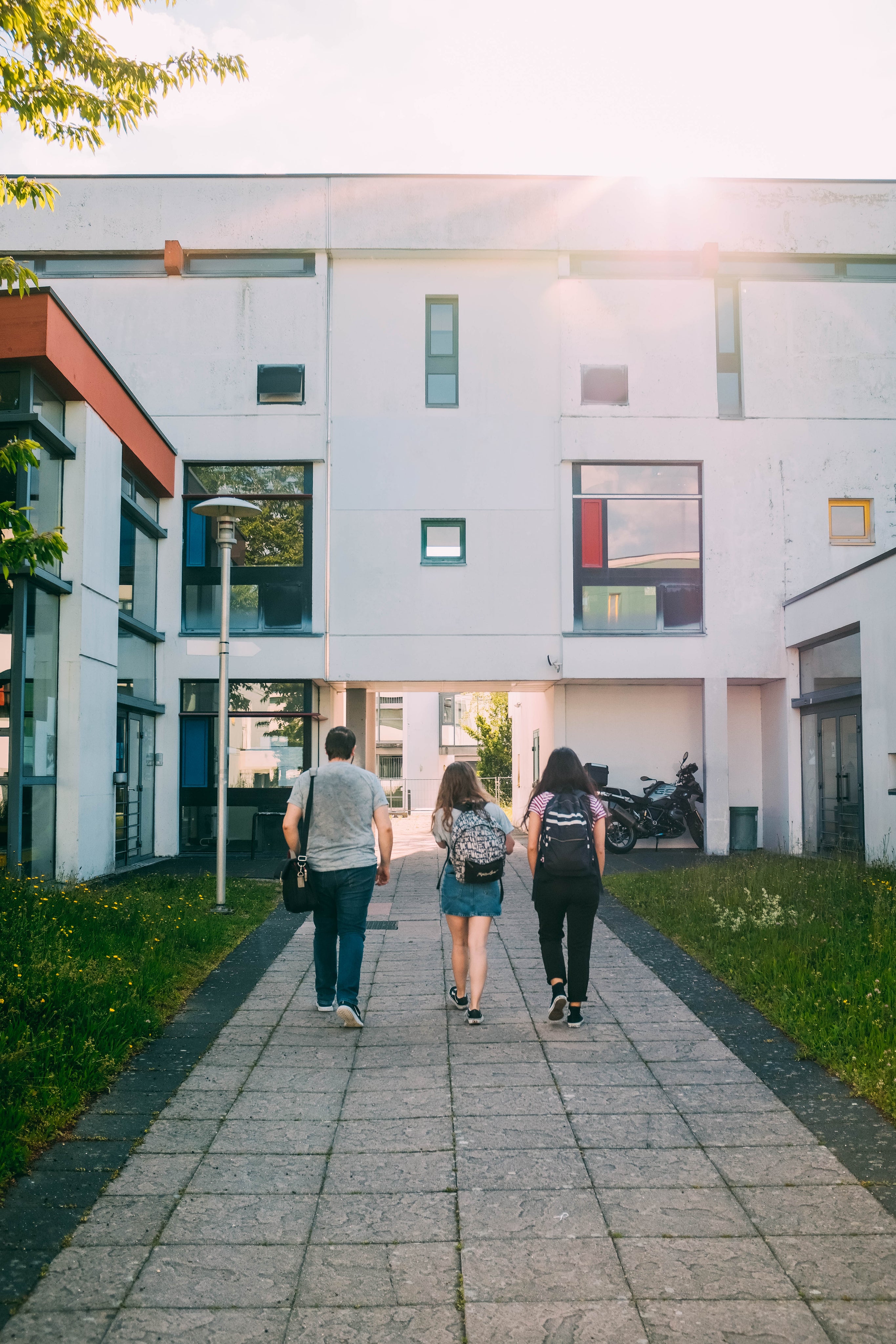
Our double bottom line brings water to communities in need through student social impact clubs.
Education
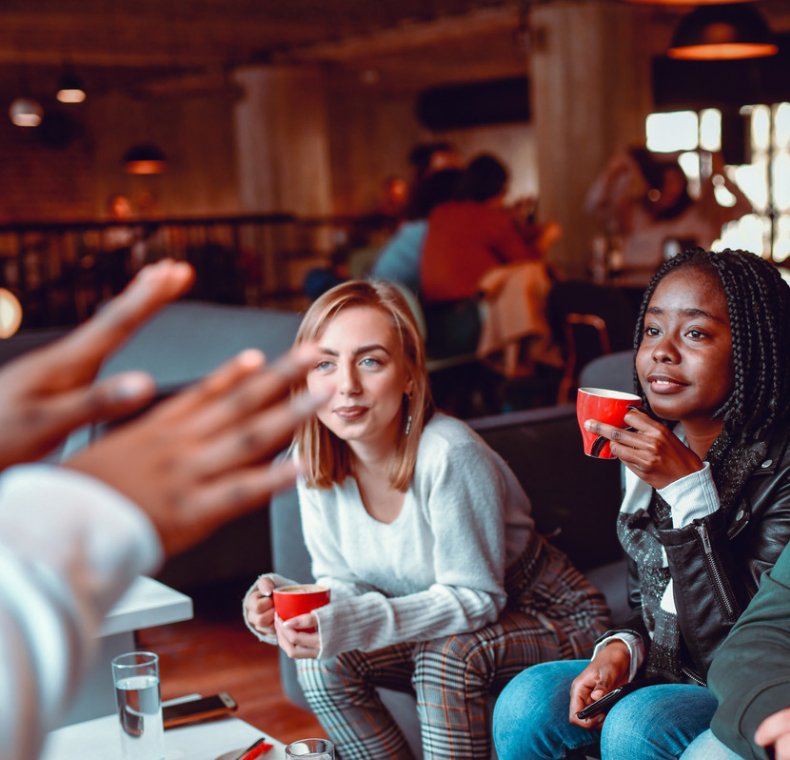
Each W4W Club starts by learning about the global impact of #waterscarcity, why certain areas are effected + how the communities we serve are impacted culturally, socially + economically.
Project Design
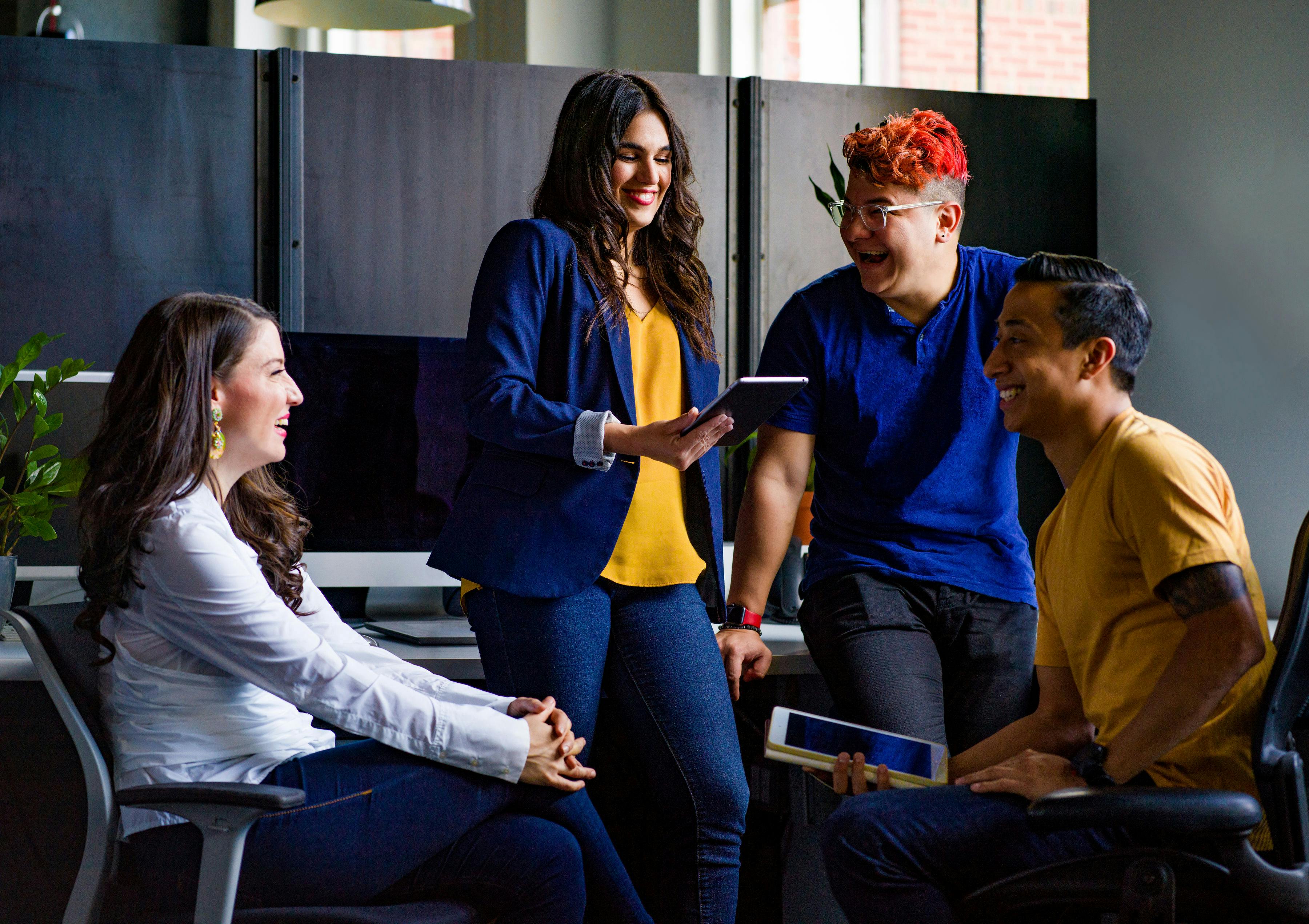
Students utilize the 'a-thon' fundraising model + make it their own, designing + planning their walk with the W4W Staff + a Teacher/Volunteer. We love watching our students learn to create global change.
Leadership
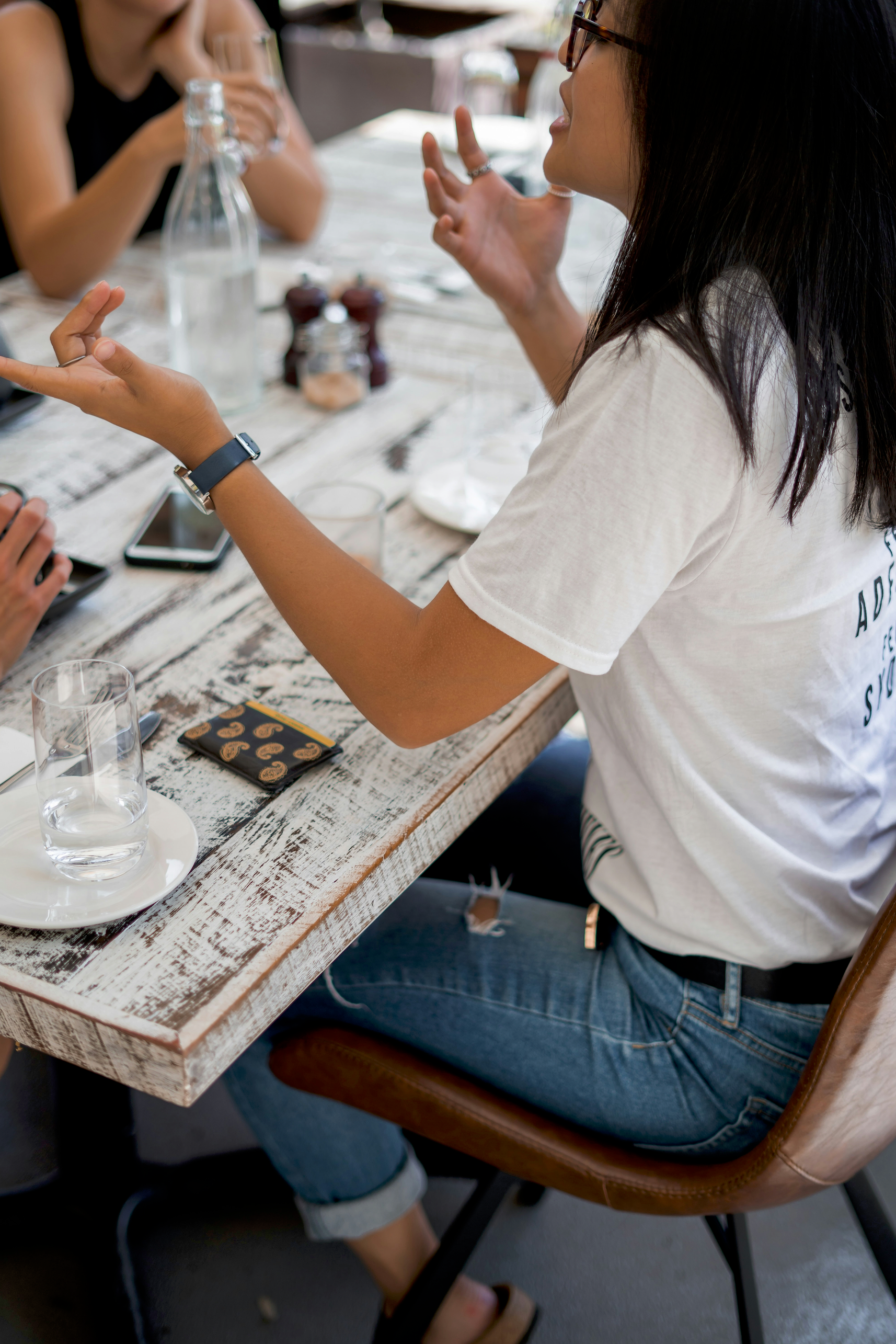
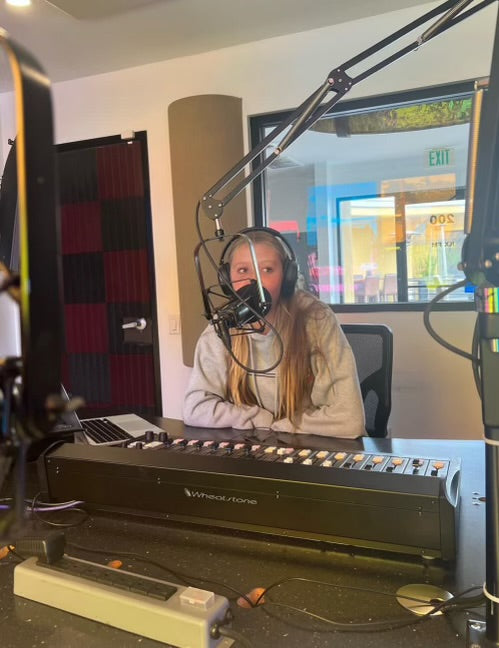
The students choose a slate of leadership roles—President, In-Kind-Donation leader, Graphic Artists—which aligns with a core value of helping young men and women explore their purpose.
Civic Engagement
Our club members count their W4W experience as one of the most impactful + many go on to continue their service + leadership work in their jobs + communities.

Why we do our work.
#waterislife
2.2 billion people lack access to clean, safely managed drinking water…but water scarcity causes more than thirst.
Gender
Women and girls spend 200 million hours every day collecting water. In rural Africa, many walk up to 4 miles to carry 40 pounds — time taken from school, work, and opportunity.
Health
In Sub-Saharan Africa more than half of hospital beds are filled with patients suffering from waterborne illness, and 1,200 children die each day from preventable water-related diseases.
Conflict
In regions like Burkina Faso, where political instability already exists, water scarcity and failing infrastructure intensify conflict, drive displacement, and destabilize communities.
Education
When girls are responsible for water collection, education is interrupted — increasing the likelihood of early marriage, lower lifetime earnings, and continued cycles of poverty.
What we have accomplished.
#savewatersavelife
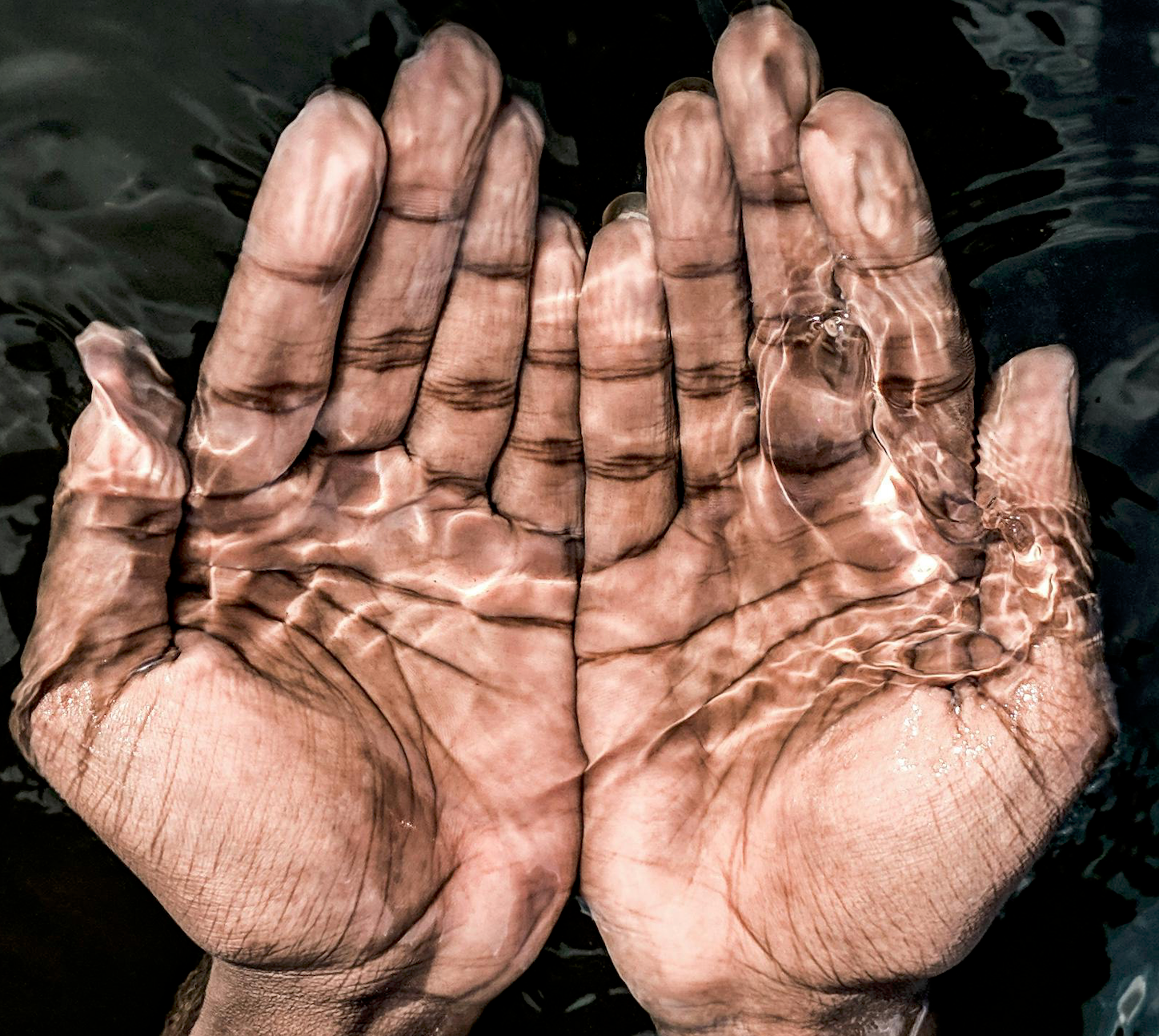
When we install a well in a village, water born illness + death decreases, women can pursue income opportunities for their families + girl children can go to school, instead of walking for water.
60 Wells
From Sub-Saharan Africa to India (in former Tibet), we have installed and maintain 60 hand-pump wells and water projects.
$700,000 Dollars
Our student-led walks fund up to three water projects per year.
4,200 Scholarships
We have ben proveleged to support 4,200 students to a primary school education.
Help us change the world...one drop at a time.
Water FAQ's
People can dig their own shallow wells to access groundwater. However, because these shallow, but they quickly become contaminated with bacteria, viruses, and parasites. Our wells provide communities with protected and permanent water sources.
When farmers + communities rely on crops + livestock, or families don't have the means to move, the best solution is to build a clean water source near their homes. We build small community wells that are easy to operate and maintain, so families + communities can stay intact.
According to UNwater.org, women and girls usually have the responsibility of fetching water. This can be a dangerous, time-consuming and physically demanding task. Long journeys by foot, often more than once a day, can leave women and girls vulnerable to attack and often precludes them from school or earning an income.